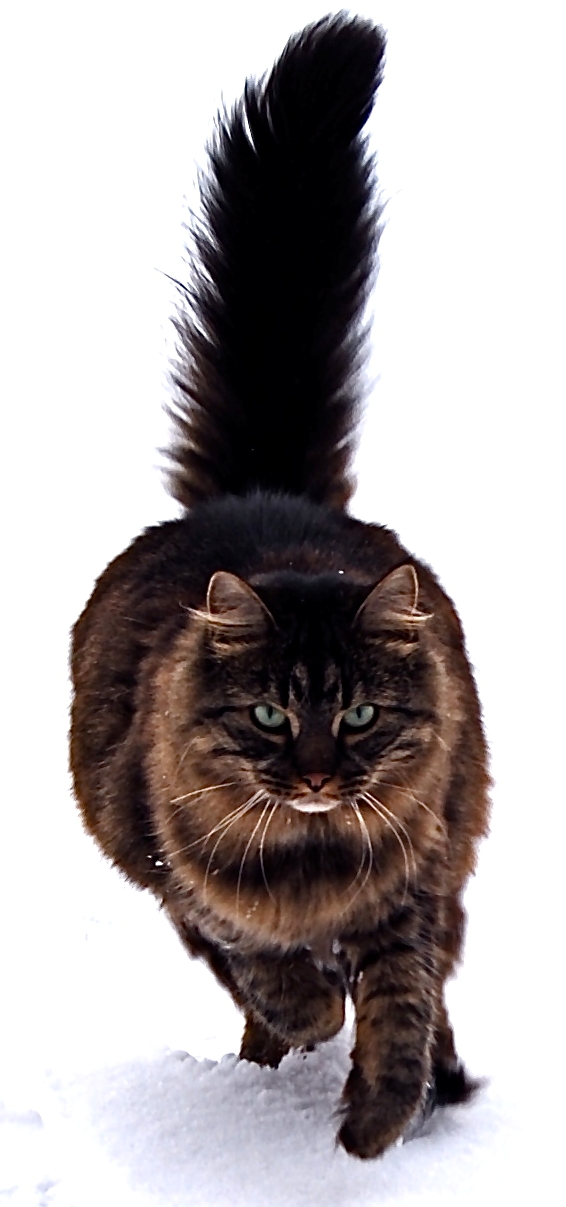
Maine Coon cats are hard to miss. They are large, striking, and often much more social than people expect from a cat. Many owners love their playful nature, thick coat, and the way they seem to stay involved in everyday family life.
They also need more hands-on care than some people realize. Maine Coons are not usually a low-maintenance breed. Their size affects everything from litter box setup to weight management. Their coat needs regular attention. And because they can be prone to certain health issues, routine veterinary care matters.
For cat owners in Dublin, it helps to go into Maine Coon ownership with a practical mindset. If you already have one, or you are thinking about bringing one home, understanding the breed’s daily needs can make life easier for both you and your cat.
Their size changes the day-to-day setup
Maine Coons are one of the largest domestic cat breeds, and many keep growing and filling out for several years. That is part of their appeal, but it also means the usual cat setup may not always work well.
A Maine Coon often needs a larger litter box, a sturdy carrier, and cat furniture that can handle a heavier body comfortably. Scratching posts, window perches, and climbing structures should be chosen with size and stability in mind. If the setup feels cramped or flimsy, it can lead to stress, discomfort, or poor litter box habits.
Size can also make body condition harder to judge. Some Maine Coons are naturally big and muscular. Others gain extra weight slowly, and owners may assume that is normal for the breed. It is not always easy to tell the difference without regular check-ins. A large cat is not automatically an overweight cat, and extra weight can make grooming, mobility, and long-term joint health harder.
Maine Coons are social cats with active minds
Part of what makes Maine Coons so appealing is their temperament. Many are friendly, curious, and interested in what the household is doing. They often follow people from room to room, stay nearby, and seem to want to be part of the routine without constantly demanding attention.
That can make them a great fit for families who want a cat that feels engaged and present. Many do well with respectful children, and some adapt nicely to homes with calm dogs or other pets when introductions are handled carefully.
Still, a social cat can become bored or frustrated if the home environment is too empty or predictable. Maine Coons often do better when they have climbing options, scratching surfaces, puzzle feeders, and regular interactive play. They are usually happiest when they are treated like active members of the household, not just cats that lounge in the background.
Grooming is manageable, but it has to be regular
The Maine Coon coat is beautiful, but it does need upkeep. Their fur is thick and semi-long, and while it is not always as difficult as some long-haired coats, it can still tangle and mat if brushing slips too often.
Most Maine Coons do well with brushing several times a week. Some need more help during shedding seasons or if they tend to mat in high-friction areas like the belly, under the front legs, behind the legs, or around the hindquarters. Mats are not just a cosmetic problem. Once they tighten, they can pull on the skin and become painful.
Regular grooming also gives owners a built-in chance to notice changes early. During brushing, you may spot:
- skin irritation hidden under the coat
- fleas or flea dirt
- weight gain or changes in body condition
- soreness with handling
- stool stuck around the rear end
- overgrown nails
In other words, grooming is not just about appearance. It is part of basic home health monitoring for this breed.
Indoor life is often the safer choice
Maine Coons are athletic and curious, but that does not mean they are ideal outdoor cats. Their trusting nature, large size, and heavy coat can create risks outside. Traffic, parasites, toxins, loose dogs, wildlife, and conflict with other cats can all become serious problems.
Indoor life is usually the safer baseline, especially when the home environment gives them enough stimulation. Cat trees, scratching areas, window views, climbing options, and interactive toys can go a long way. Some Maine Coons also enjoy supervised patio time or leash and harness training, but that depends on the individual cat.
For many Dublin households, that indoor-first approach makes sense. A large cat that thrives on routine often does better in a stable, enriched home setup than in an unpredictable outdoor environment.
Health issues Maine Coon owners should watch for
No breed should be defined only by medical concerns, but Maine Coons do have a few health patterns worth knowing about.
One of the best known is hypertrophic cardiomyopathy, or HCM. This is a condition where the heart muscle becomes abnormally thick. HCM can affect many cats, but Maine Coons are one of the breeds more commonly linked with inherited risk. That does not mean every Maine Coon will develop heart disease, but it does mean regular veterinary exams are important, along with informed conversations about heart health over time.
Hip dysplasia is another issue owners may hear about. People often think of it as a dog problem, but it can affect large cats too. A Maine Coon with hip discomfort may hesitate before jumping, play less, or seem slower going up stairs or onto furniture. Those changes can be subtle at first.
Maine Coons can also develop common feline problems such as dental disease, obesity, digestive upset, urinary issues, and joint strain. The early signs are not always dramatic. A cat may simply seem quieter, groom less, move differently, or become less willing to jump.
Because many Maine Coons are calm and adaptable, it can take time before owners realize something has changed.
Preventive care matters more than people think
With Maine Coons, preventive care is about more than vaccines. It is about building a baseline while your cat appears healthy.
A primary care veterinarian can help track weight trends, listen for heart changes, assess dental health, monitor mobility, and talk through nutrition, grooming, and behavior. That kind of ongoing picture is especially useful in a breed that may hide discomfort until a problem is more advanced.
Routine visits are also a good time to ask whether any additional screening or follow-up makes sense based on your cat’s age, symptoms, family history, or exam findings. Not every Maine Coon needs the same plan, but breed awareness helps owners make better decisions earlier.
For Dublin cat owners, having an established relationship with a local vet clinic can make that process much easier. If your cat starts breathing differently, loses stamina, stops grooming well, or seems less comfortable jumping, it helps to have a clinic that already knows what is normal for that cat.
Is a Maine Coon the right fit for your household?
Not always. Maine Coons are often wonderful companions, but they are usually best for people who are ready for a large, interactive cat with regular grooming needs and a few health concerns worth monitoring over time.
They may not be the best match for a household looking for a very independent, low-effort cat. Their size alone changes the daily reality of ownership more than many people expect.
For the right home, though, Maine Coons can be deeply rewarding. They are affectionate without always being clingy, playful without being nonstop, and impressive without losing the warmth that makes a cat feel like family.
If you live in Dublin and already have a Maine Coon, or you are thinking about getting one, the best approach is simple: enjoy the breed’s personality, but stay practical about grooming, weight, mobility, and long-term health. A trusted local vet can help you catch small issues early and keep your cat comfortable for years to come.